Sweet Pomegranate Tips

Ravish Kumar
| 29-12-2025
 · Food Team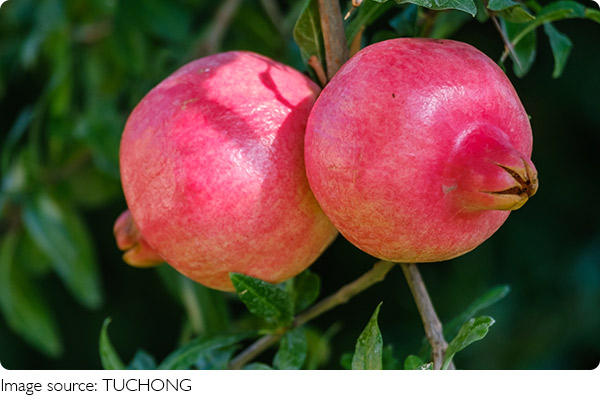
There’s something irresistible about a bright red, jewel-like pomegranate. Its seeds glisten, and the thought of that sweet, juicy bite makes our mouths water. But here’s the catch: picking a truly sweet pomegranate isn’t as easy as it looks.
Many of us have bought one that looked perfect on the outside but turned out sour inside. Don’t worry—once we learn a few simple tricks, we’ll always pick pomegranates that are sweet, juicy, and perfect. Today, we’ll share four easy tips that even old farmers use to choose the best ones.
Check the Appearance
The first thing we notice when choosing a pomegranate is its color and size. But here’s an important tip: don’t judge a fruit by its shiny red exterior. Many pomegranates look bright and appealing because they’ve been exposed to direct sunlight while growing. That makes the skin redder, but the inside seeds might still be pale or sour, and the peel can be thick.
Make Crispy Spanish Churros at Home – Perfectly Golden, Sweet, and Ready for Chocolate or Coffee Ice Cream Dips!
This Authentic Greek Spanakopita Recipe Turns Simple Spinach and Feta Into a Crispy, Irresistible Homemade Pie!
Discover the surprising health benefits of tropical fruits you’ll love.
Boost your immune system with these fruit picks.
Bake the Softest, Sweetest, and Crunchiest American Banana Bread with Walnuts – Everyone Will Ask for Seconds!
Turn Simple Vegetables into a Delicious French Feast! Easy Ratatouille Recipe You Can Make at Home Today!
On the other hand, pomegranates that aren’t as flashy—sometimes with a yellowish or slightly uneven tint—are often more mature and flavorful. These fruits grew in a gentler environment, absorbing nutrients from the soil instead of just sun, which makes the seeds inside plump, juicy, and perfectly sweet.
Observe the Color
Color is key when picking pomegranates. Instead of always choosing the reddest fruit, we should look for a subtle yellow tint with small spots. Don’t mistake these spots for damage—they are natural markers of ripeness. A mature pomegranate often has this pattern, showing that the seeds inside are likely juicy and sweet.
Pay Attention to Shape
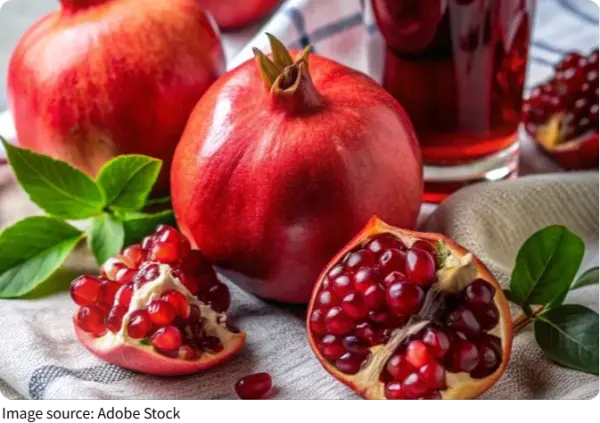
Shape can also tell us a lot about a pomegranate’s quality. Very round, perfectly smooth pomegranates often have thicker skins and a shorter growing period, which may result in less mature seeds. In contrast, fruits that are slightly angular, with gentle ridges or square-like edges, tend to be fully ripe. Their seeds are larger, filled out, and the peel is thinner, making it easier to enjoy every bite.
Inspect the Flower End
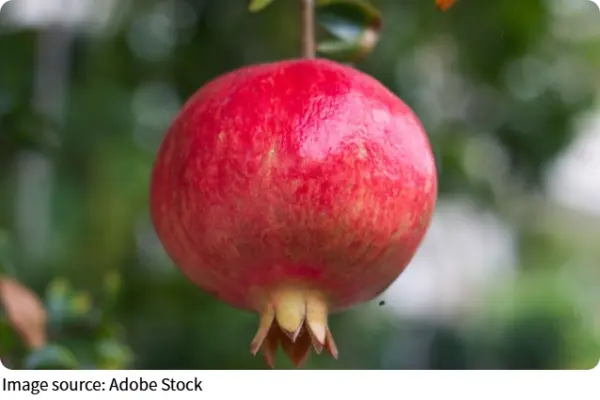
A less obvious trick is to check the flower end of the pomegranate, where the blossom once was. If the flower tip hasn’t opened much, the fruit likely isn’t fully ripe, and the sweetness may be lacking. We should pick fruits with fully opened flower tips—they are usually the juiciest and most flavorful.
Practice Makes Perfect
Once we remember these four points—appearance, color, shape, and flower tip—picking pomegranates becomes much easier. But like any skill, it gets better with practice. The more we handle and inspect fruits, the more we’ll notice subtle differences that indicate ripeness and sweetness. Over time, we’ll be able to pick the best pomegranates without a second thought.
Bonus Tip: Pomegranate Peel Benefits
Did you know the peel is also useful? After washing, we can cut it into small pieces, boil it in water for a few minutes, then strain it to drink the juice. This simple method can aid digestion, boost immunity, and even help keep our skin healthy when used regularly. It’s an easy, natural way to get extra benefits from a fruit we might otherwise discard.
Where and When to Buy?
We can find pomegranates in most local markets during the fall season. Look for stalls where fruits are freshly stocked. Prices vary, but a medium-sized pomegranate usually costs around $2–$3. We should avoid fruits that have been sitting too long or look shriveled, as they may not be juicy inside. Visiting early in the morning can give us access to the freshest picks.
Enjoy the Sweetness, Lykkers!
By paying attention to these small details, picking pomegranates becomes not only easy but also fun. Each sweet, juicy bite is a reward for our careful selection. Next time we’re at the market, we can put these tips into practice and enjoy the tastiest pomegranates we’ve ever had. Happy picking, Lykkers!