Petra Rose City

Santosh Jha
| 12-01-2026
 · Travel Team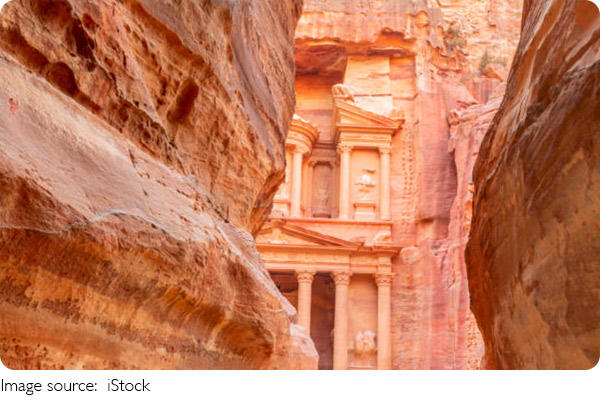
Imagine walking through a city carved directly from pink sandstone cliffs. That's Petra, Jordan's crown jewel in the southern desert, also called the "Rose City" for its color.
Petra is a UNESCO World Heritage Site and one of the New Seven Wonders of the World.
Every year, over a million travelers visit to see its tombs, temples, and impressive facades carved into cliffs. This guide will help us explore Petra in the most efficient and memorable way.
Ticket Prices and Opening Hours
Here are the official entry fees and schedules:
- 1-Day Ticket: $70 per person
- 2-Day Ticket: $75 per person
- 3-Day Ticket: $80 per person
- Children under 12: Usually discounted (check at the entrance).
Discover how to ride safely and confidently using taxis, ride-hailing, or local transport abroad!
Trek, paddle, and taste in northern Laos with prices, timing, and simple logistics for a smooth, authentic trip.
We Explored Dubai’s Burj Al Arab Without Staying Overnight – Here’s How You Can Too!
Explore Amsterdam Now! Your Practical Guide with Ticket Prices, Opening Hours, Transport, Hotels, Dining and Smart Tips!
Luxury city, low spend?! Mix free gems with local bites—travel well, spend less!
Experience Nevada's Fiery Desert: Stunning Sandstone, Scenic Trails, and Hidden Gems in the Valley of Fire!
Opening Hours:
- Summer (April–October): 6:00 AM – 6:00 PM
- Winter (November–March): 6:00 AM – 4:00 PM
We suggest arriving early to avoid crowds and enjoy cooler walking conditions.
Getting to Petra
From Amman:
- JETT Bus: Daily service to Wadi Musa, the town next to Petra. Cost: $10–$12, travel time 3–4 hours.
- Private Taxi: $100–$120 one way; faster and more flexible.
- Rental Car: About $50–$70/day, gives freedom to stop at other sites along the way.
From Aqaba:
- Buses or taxis available, 4–5 hours.
Inside Wadi Musa:
- Walking: Petra entrance is 10–15 minutes from most hotels.
- Taxi: $3–$5 for local transport.
- Horse or carriage rides available from $10–$20 per ride.
Suggested Petra Itinerary
Day 1:
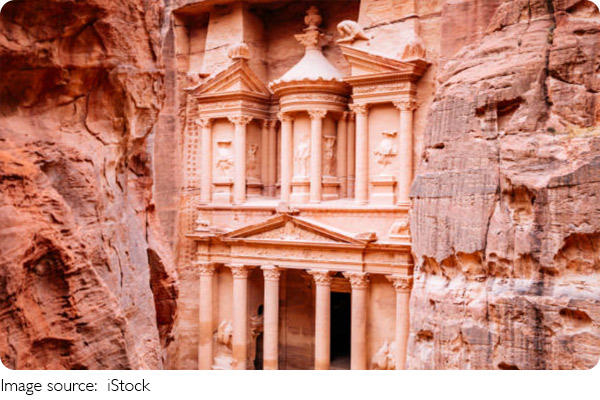
- The Siq: A 1.2 km narrow canyon leading to the Treasury. Take your time for photos.
- Al-Khazneh (The Treasury): Marvel at the iconic façade. Spend at least 30 minutes.
- Street of Facades & Royal Tombs: Explore the main tombs and old market streets.
Day 2:
- The Monastery (Ad Deir): Hike 45–60 minutes; enjoy panoramic views.
- High Place of Sacrifice: Optional 30–40 minute climb for sunset views.
- Byzantine Site and Colonnaded Street: Learn about Petra's later history.
We recommend two days to explore Petra fully without rushing.
Nearby Accommodation
Wadi Musa has options for all budgets:
- Budget: Hostels/guesthouses $40/night
- Mid-range: Hotels $80–$150/night
- Luxury: Resorts with pools and views $200–$250/night
Staying in Wadi Musa lets us enter Petra early and easily access restaurants and shops.
Dining Options
We found many local restaurants offering traditional Jordanian cuisine:
- Meals: $10–$15 per person
- Tea/Coffee: $2–$4
- Snacks: $1–$3
Try local dishes like mansaf, falafel, or fresh salads. Many restaurants in Wadi Musa offer authentic flavors at reasonable prices.
Tips for Visiting Petra
- Footwear: Wear sturdy shoes for rocky terrain and long walks.
- Water & Snacks: Carry at least 2 liters of water per person; snacks are essential if you hike to the Monastery.
- Guides: Local guides are available for $50–$60 for 2 hours; their knowledge brings the site to life.
- Horse/Carriage Rides: Optional for tired legs, $10–$20 per ride.
- Photography: Sunrise or sunset offers the best lighting for the Treasury and Monastery.
- Timing: Avoid midday heat by starting early; winter mornings can be chilly, so bring layers.
Best Time to Visit
- Spring (March–May) and Autumn (September–November): Mild weather, clear skies, perfect for hiking and photos.
- Summer (June–August): Very hot; bring sun protection and water.
- Winter (December–February): Cooler temperatures; some rain possible, but fewer crowds.
We found spring the most comfortable for long walks and exploring every corner.
Discovering the Rose City
Petra is not just an archaeological site—it's an unforgettable adventure. Walking through the Siq, seeing the Treasury rise from pink cliffs, and hiking to the Monastery made us feel connected to the ingenuity of the Nabataeans. Lykkers, if you've ever dreamed of visiting a city carved entirely from rock and witnessing human creativity at its best, Petra should be at the top of your travel list. With careful planning, we can enjoy Petra fully, comfortably, and safely!
Petra, Jordan | Civilisations - BBC
Video by BBC