How to Dry Fruits at Home

Naveen Kumar
| 23-01-2026
 · Food Team
Imagine biting into a sweet, chewy piece of dried mango or apple—without any preservatives, added sugars, or mystery ingredients.
Drying fruits at home is not only a fun way to preserve your favorite fruits but also a healthier alternative to store-bought snacks.
Plus, it's surprisingly simple once you know the right techniques. Let's dive into how you can easily dry fruits at home and enjoy them anytime you want.
1. Choose the Right Fruits
Before you start, it's important to know which fruits dry best. Some fruits, like berries and citrus, don't dehydrate as well and can end up too mushy or bitter. For the best results, try these:
• Apples: Sweet, crunchy, and perfect for drying. Slice them thinly for quick and even drying.
How 3D printing is transforming the way we create food.
Discover which ice cream really wins in taste, texture, and convenience.
Why a daily glass can boost energy, immunity, and overall health.
Discover why these treats are loved worldwide and how to enjoy them.
Discover the secrets to a creamy, irresistible cheesecake at home.
This tiny spoonful boosts flavor, digestion, and creativity in your kitchen.
• Bananas: A great choice for drying because they hold their shape and flavor well.
• Mangoes: Their naturally sweet taste makes them ideal for drying. Choose ripe, juicy mangoes for the best results.
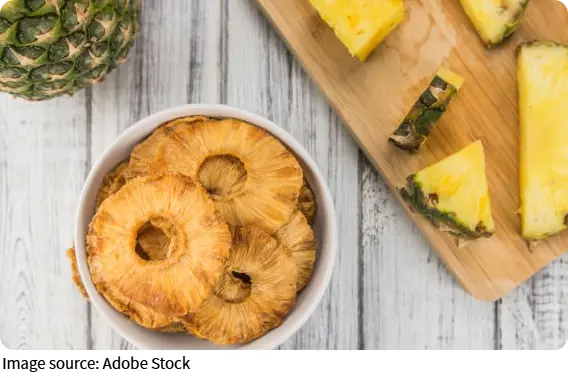
• Pineapples: The tangy sweetness of dried pineapple is a treat. Just make sure to remove the core for more even drying.
When selecting fruits, choose ones that are ripe but not overripe. Overripe fruit tends to become too mushy once dried.
2. Prepare the Fruits for Drying
The preparation process can vary depending on the type of fruit you're drying. Here's how you can get them ready:
• Peeling and slicing: For fruits like apples, peaches, and bananas, peel the skin off (optional) and slice them into even pieces. Thinner slices will dry faster, so aim for about 1/4-inch thick pieces.
• Pretreatment: Some fruits, like apples and peaches, can turn brown during drying. To prevent this, soak them in a mixture of water and lemon juice (about 1 tablespoon of lemon juice per cup of water) for a few minutes before drying. This helps preserve color and flavor.
For fruits like grapes (to make raisins) or cherries, simply remove the pits before drying.
3. Drying Methods: Oven, Dehydrator, or Sun
There are several ways to dry fruits at home, each with its own pros and cons. Let's explore the most common methods:
• Oven drying: Preheat your oven to the lowest setting (around 140°F or 60°C). Lay the prepared fruit slices in a single layer on a baking sheet lined with parchment paper. Place the sheet in the oven and prop the door open with a wooden spoon to allow moisture to escape. This method can take anywhere from 4 to 8 hours depending on the fruit and thickness of the slices. Be sure to flip the slices occasionally to ensure even drying.
• Dehydrator drying: If you have a food dehydrator, this is one of the easiest and most efficient ways to dry fruit. Simply arrange the fruit slices on the dehydrator trays and set the temperature to 135°F (57°C). Most fruits will take between 6 to 12 hours to dry completely, depending on their moisture content.
• Sun drying: If you live in a hot, dry climate, sun drying is an option. Lay the fruit slices on a clean, flat surface (like a tray) covered with a mesh to protect them from insects. Sun drying can take 2 to 3 days, and the fruit needs to be covered at night to prevent moisture from being reabsorbed. Make sure the weather is dry and sunny to avoid spoilage.
4. Checking for Doneness
One of the trickiest parts of drying fruit is knowing when it's done. Over-drying can make your fruit hard and brittle, while under-drying can lead to spoilage. Here's how to check for doneness:
• Texture: Dried fruit should be flexible and leathery, but not sticky or moist. Apples should be crisp but bend slightly when you try to fold them. Bananas should feel soft but not squishy.
• Cooling test: Allow the fruit to cool to room temperature before testing it. This helps you gauge the true texture and moisture level.
If there is any moisture left inside, the fruit can mold over time, so it's crucial to let it dry fully.
5. Storing Your Dried Fruits
Once your fruits are fully dried, it's time to store them. Proper storage is key to maintaining their flavor and texture. Here are some tips for storing dried fruits:
• Glass jars or airtight containers: Store your dried fruits in glass jars or plastic containers with airtight lids. Glass jars are ideal because they won't trap moisture.
• Keep them cool and dark: Store your dried fruits in a cool, dry place away from direct sunlight. A pantry or cupboard works best.
• Vacuum sealing: For longer storage, consider vacuum sealing your dried fruits. This will help preserve their freshness for months.
Dried fruits generally last for 6 to 12 months when stored properly, but they'll taste best within the first 6 months.
Drying fruits at home is a rewarding process that lets you enjoy the natural sweetness and nutrients of your favorite fruits all year round. Whether you're using an oven, dehydrator, or the sun, you can create healthy snacks without the added sugars or preservatives found in store-bought options. So, the next time you have extra fruit, why not try drying it? You'll be amazed at how easy and satisfying it can be!