Chestnut Tips

Caleb Ryan
| 29-12-2025
 · Food Team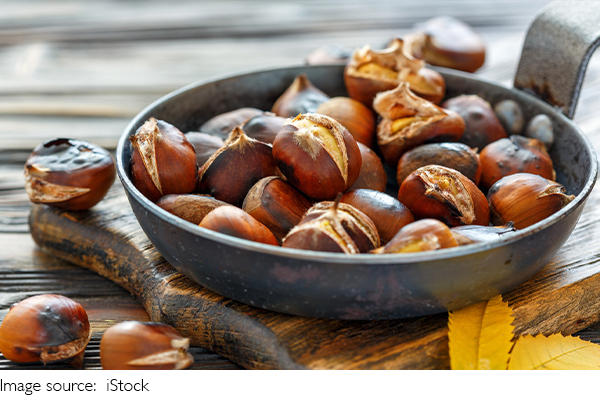
Autumn is the perfect time to enjoy the sweet, rich taste of chestnuts, and we are here to share everything about picking, peeling, and storing them.
Lykkers, if you’ve ever wondered how to get the best chestnuts from the orchard to your kitchen, this guide is for us.
Natural Chestnut Picking
One of the traditional ways to collect chestnuts is the natural drop method. We wait until the burrs on the trees turn yellow and split open, letting the nuts fall naturally. In the mornings, we walk through the orchard to gather them.
To make picking easier, it’s helpful to clear weeds, loosen the soil, and flatten the ground before the nuts start falling. This preparation, often called “prepping the orchard floor,” helps ensure we collect full, plump chestnuts. Sometimes, shaking the trees gently encourages more chestnuts to fall, which we then gather and temporarily store in a clean, dry spot.
Boost digestion and feel great with these fiber-packed fruits.
Discover the Secret to Picking the Sweetest, Juiciest Oranges Every Time—Simple Tips We All Can Use!
These fruits can help calm your heartburn naturally.
Discover the Secret to Picking the Juiciest, Sweetest Pomegranates Every Time – Farmers Know the Trick!
Make Crispy Spanish Churros at Home – Perfectly Golden, Sweet, and Ready for Chocolate or Coffee Ice Cream Dips!
This Authentic Greek Spanakopita Recipe Turns Simple Spinach and Feta Into a Crispy, Irresistible Homemade Pie!
This method gives us chestnuts with the best flavor and quality, increasing yield by 10–15%. It also avoids damage to branches and makes good use of available labor. The main harvesting period lasts about a week, but it can be labor-intensive, and if the fallen chestnuts aren’t collected promptly, they may dry out and lose quality.
Knocking Down Chestnut Burrs
Another method is knocking down the burrs with a bamboo pole. We can either do it all at once or in stages. For a one-time harvest, we wait until about one-third of the burrs turn yellow and begin to split, then knock them down. This method is fast and labor-saving, but some nuts may not be fully ripe, and branches or leaves can be damaged.
For staged harvesting, we first knock down the yellow burrs and leave the green ones until they ripen. Usually, this is done every 2–3 days. If our chestnut trees mature unevenly, applying 0.1% potassium dihydrogen phosphate about 10–15 days before harvest helps synchronize ripening. This approach is ideal for scattered or large orchards, or areas where pests like rodents make natural collection less feasible.
Peeling Chestnuts
Chestnuts have three layers of shells. The outermost spiky shell is very sharp. Freshly harvested chestnuts are often green and tricky to peel. We usually press one side with our foot and use scissors or a sharp tool to pry open the burr. Another method is gently tapping the stem with a sickle’s back to split it open.
The second layer of shell is easier to remove. We can cut a small hole at the bottom and peel the nut by hand. The inner skin is easier to peel right after harvest, but after a while, it sticks. Briefly boiling the chestnuts in water helps remove this layer without changing the nut’s color. If we cook chestnuts directly in stews, pre-boiling makes peeling simpler, although the flavor may be slightly less rich.
Storing Chestnuts
There are several ways to store chestnuts, mainly dry storage or fresh preservation.
- For dry storage, chestnuts can be sun-dried, air-dried, or cooked and then dried. This prevents rot and pests, but the nuts become very hard.
- For fresh preservation, freezing works best. We place clean, unblemished chestnuts directly into a freezer or peel them first and store them in airtight bags. Peeled chestnuts must be frozen quickly to prevent discoloration.
- Traditional methods include the sand method: we layer clean river sand and chestnuts, which can last until the following spring. Straw wrapping is another way: chestnuts are wrapped in straw and kept in a cool, ventilated place, making them sweeter over time.
- We can also use ceramic jars for storage: we place large, unbroken chestnuts in a jar, seal with dry straw, and keep it upside down. When we’re ready to eat them, they remain fresh and flavorful.
Chestnut Ripening Time
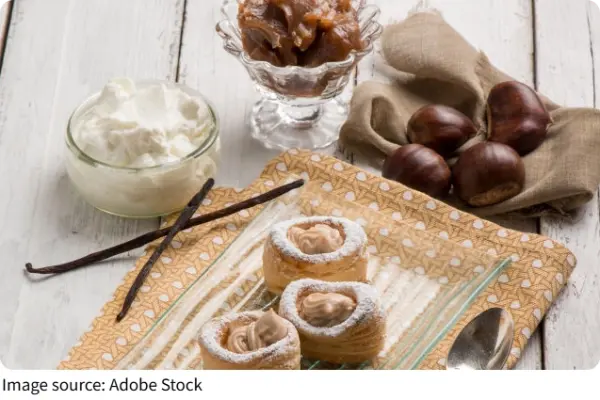
Most chestnuts ripen from September to October. Varieties differ slightly, but autumn is generally the main harvest season. Flowering occurs around May to June, with fruit maturing from September to October. Some regions see chestnuts ready as early as late August, but by November, all chestnuts are usually fully mature. Eating chestnuts in season gives us the best taste and nutrition.
Enjoying Autumn Together
Lykkers, by following these tips, we can enjoy perfect chestnuts from the orchard to the kitchen. From picking to peeling to storage, every step ensures the best flavor, texture, and freshness. Let’s celebrate the season and share the joy of chestnut harvests with friends and family. Autumn tastes sweeter when we savor it together!