Spiced Pear Crème Brûlée

Finnegan Flynn
| 23-01-2026
 · Food Team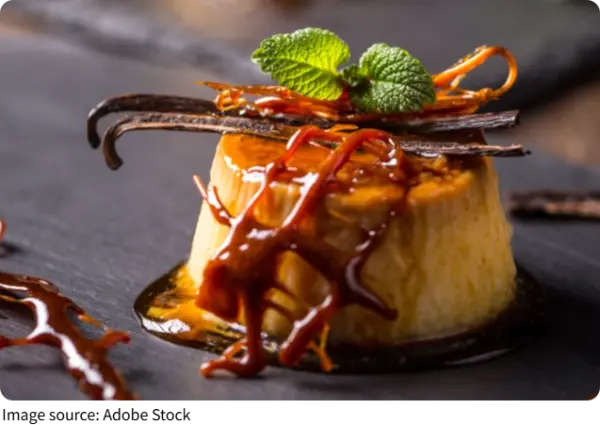
The magic of crème brûlée is in contrast. You tap the sugar shell, it cracks, and beneath it waits something calm and creamy. It's already a perfect dessert. But add spiced pears on top, and it becomes a story—cool custard, warm fruit, gentle crunch, and a soft wave of fragrance in every bite.
This isn't about making dessert fancier. It's about making it more memorable. A spoonful with pear, sugar crust, and custard together feels layered in a way plain crème brûlée can't match. The best part? You don't need advanced skills or rare tools. You just need attention and timing.
Why Pear Works So Well?
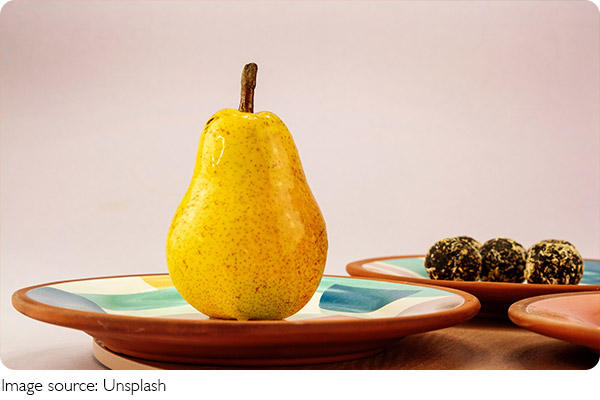
Pears are gentle. They're sweet, but not loud. When warmed with simple spices, they become fragrant without stealing the spotlight.
How can a tiny sponge cake hold so much sweetness, lightness, and joy?
Discover the rich, chocolatey drink that warms both hands and heart.
Why Cauliflower Cheese in a Vintage Bowl Feels So Comforting—We Made It Step by Step and Loved Every Spoonful!
Discover How We Make the Perfect Alcohol-Free Plum Pudding with Cream That Everyone Will Love This Holiday Season!
Learn the easy steps to make your own homemade dried fruits!
How 3D printing is transforming the way we create food.
Crème brûlée is smooth and calm. Pear brings:
Warm contrast, Light fragrance, Natural sweetness
That balance is what makes the pairing work. The custard stays in charge. The fruit plays support.
Action tip:
Choose pears that are ripe but still firm. If you can press one gently and it gives just a little, it's perfect. Over-soft fruit turns mushy when heated and loses shape.
Preparing the Spiced Pear Topping
You don't need many ingredients. The goal is to warm the fruit, not drown it.
Peel and core two medium pears.
Cut them into small cubes or thin slices.
Add them to a small pan with:
2 tablespoons sugar
A pinch of cinnamon
A tiny pinch of nutmeg
2 tablespoons water
Heat gently over low flame. Stir slowly. After 6–8 minutes, the pears should look glossy and tender, not collapsed.
You're aiming for pieces that still hold their shape. The liquid should be syrupy, not watery.
Action tip:
Stop cooking while the pears still have a little bite. They'll soften more as they cool, and you want texture when they meet the custard.
Let the mixture cool fully before using. Warm fruit on cold custard melts the surface and ruins the clean finish.
Building the Perfect Base
A good crème brûlée base should be smooth, light, and steady. Whether you're making it from scratch or using a trusted method, the texture matters more than anything else.
What you want:
A surface without bubbles
A custard that jiggles slightly in the center
A chilled, fully set base before topping
Action tip:
After baking, let the custards cool at room temperature for 30 minutes, then chill for at least 3 hours. Overnight is even better. Cold custard holds the sugar crust cleanly and gives you that sharp snap.
Assembling Without Losing Texture
This is where many people rush. Don't.
Spoon a thin layer of cooled pear topping onto each custard.
Spread it evenly, leaving a narrow edge clear.
Sprinkle sugar over the top in a light, even layer.
You're building three textures: fruit, sugar, cream. Each needs space.
Action tip:
If the pear layer is too thick, the sugar won't melt evenly. Keep it thin—just enough to cover the surface.
When caramelizing, move slowly and evenly. The sugar should melt and darken without burning the fruit beneath.
Serving for Maximum Impact
This dessert shines in small moments. A quiet table. Soft light. One spoon tap.
Serve within five minutes of caramelizing. That's when the top is crisp and the custard still cold.
Place on a cool plate.
Add nothing else—no mint, no extra fruit.
Let the contrast speak for itself.
Action tip:
Ask guests to wait before cracking the top. That pause builds anticipation, and the sound becomes part of the experience.
Small Variations That Stay True
You can adjust without losing the soul of the dish.
Add a touch of vanilla to the pear syrup.
Use brown sugar for a deeper crust tone.
Mix a few pear cubes into the custard before baking for subtle fruit notes inside.
Each keeps the balance intact: creamy base, gentle warmth, crisp top.
The goal isn't complexity. It's harmony.
Crème brûlée is already a classic. Spiced pear doesn't replace it—it whispers something new. It turns a familiar dessert into a memory. The kind people mention days later, saying, “That one with the pear on top—I still think about it.”